Safeguarding Your Property: A Comprehensive Guide to Reliable Water Mitigation
Water damage is a homeowner’s silent nightmare. Whether it stems from a burst pipe, a failing appliance, or a severe weather event, water can compromise a building’s structural integrity and ruin personal belongings in a matter of hours.
When disaster strikes, reliable water mitigation is the critical first line of defense. Mitigation is not just about cleaning up the mess; it is a systematic, scientific process designed to prevent further damage, ensure safety, and prepare a property for complete restoration.
What is Water Mitigation?
While many people use "water mitigation" and "water restoration" interchangeably, they are distinct phases of the recovery process.
-
Water Mitigation: The immediate, emergency process of preventing additional damage. It involves stopping the water source, extracting standing water, removing unsalvageable materials, and drying out the structure.
-
Water Restoration: The subsequent phase focused on repairing, rebuilding, and restoring the property to its pre-damage condition.
The Golden Rule: Mitigation must always happen before restoration can begin. Without proper mitigation, structural issues and mold will inevitably undermine any rebuild efforts.
The Core Pillars of Reliable Water Mitigation
A dependable water mitigation process relies on speed, advanced technology, and industry-standard protocols (typically aligned with the IICRC S500 standard). A reliable mitigation plan follows five essential steps:
1. Immediate Inspection and Assessment
Time is the enemy of water-logged structures. Within 24 to 48 hours, mold can begin to colonize. A reliable technician will immediately inspect the property using specialized tools like thermal imaging cameras and moisture meters to locate hidden water pockets behind walls or beneath flooring. During this stage, the water is categorized (Clean, Gray, or Black) to determine the safety protocols required.
2. Water Extraction
Removing standing water as quickly as possible is vital to minimizing structural saturation. Reliable teams utilize heavy-duty submersible pumps and truck-mounted vacuum systems to extract thousands of gallons of water efficiently.
3. Structural Drying and Dehumidification
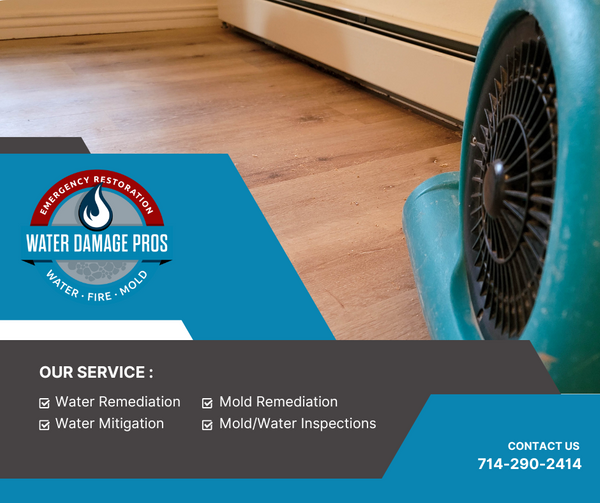
Once surface water is gone, the real work begins. Wood, drywall, and concrete are porous and retain moisture. Technicians strategically place industrial air movers to accelerate evaporation and refrigerant or desiccant dehumidifiers to pull moisture out of the air, preventing warppage and mold growth.
4. Cleaning, Sanitizing, and Deodorizing
Water damage often brings contaminants and unpleasant odors. Reliable mitigation involves treating salvageable structural elements with EPA-approved antimicrobials and sanitizers. This step ensures the environment is safe for inhabitants and workers alike.
5. Continuous Monitoring
A "set-and-forget" approach is a hallmark of unreliable service. True professionals monitor the drying progress daily, taking regular moisture readings to adjust equipment placement until the property reaches its optimal, dry baseline.
What Makes a Water Mitigation Service Truly "Reliable"?
If you are looking to hire a professional or evaluating a mitigation plan, look for these non-negotiable qualities:
-
24/7 Availability: Water disasters don't wait for business hours. A reliable company offers round-the-clock emergency dispatch.
-
Certified Expertise: Ensure the technicians hold certifications from recognized industry bodies, such as the IICRC (Institute of Inspection Cleaning and Restoration Certification).
-
Advanced Equipment: Household fans and shop-vacs are entirely inadequate for structural drying. Reliable mitigation requires industrial-grade extraction and dehumidification technology.
-
Transparent Documentation: For insurance purposes, a reliable partner will thoroughly document the damage with photos, moisture logs, and a detailed inventory of affected areas.
The Cost of Delayed Mitigation
Neglecting immediate water mitigation, or opting for a sub-par DIY fix, can lead to devastating long-term consequences:
Final Thoughts
Reliable water mitigation is a blend of urgent action, specialized science, and meticulous execution. By understanding the process and acting decisively at the first sign of moisture, you can protect your financial investment, preserve your property's structural health, and ensure a safe living environment for years to come.
Comments
Post a Comment